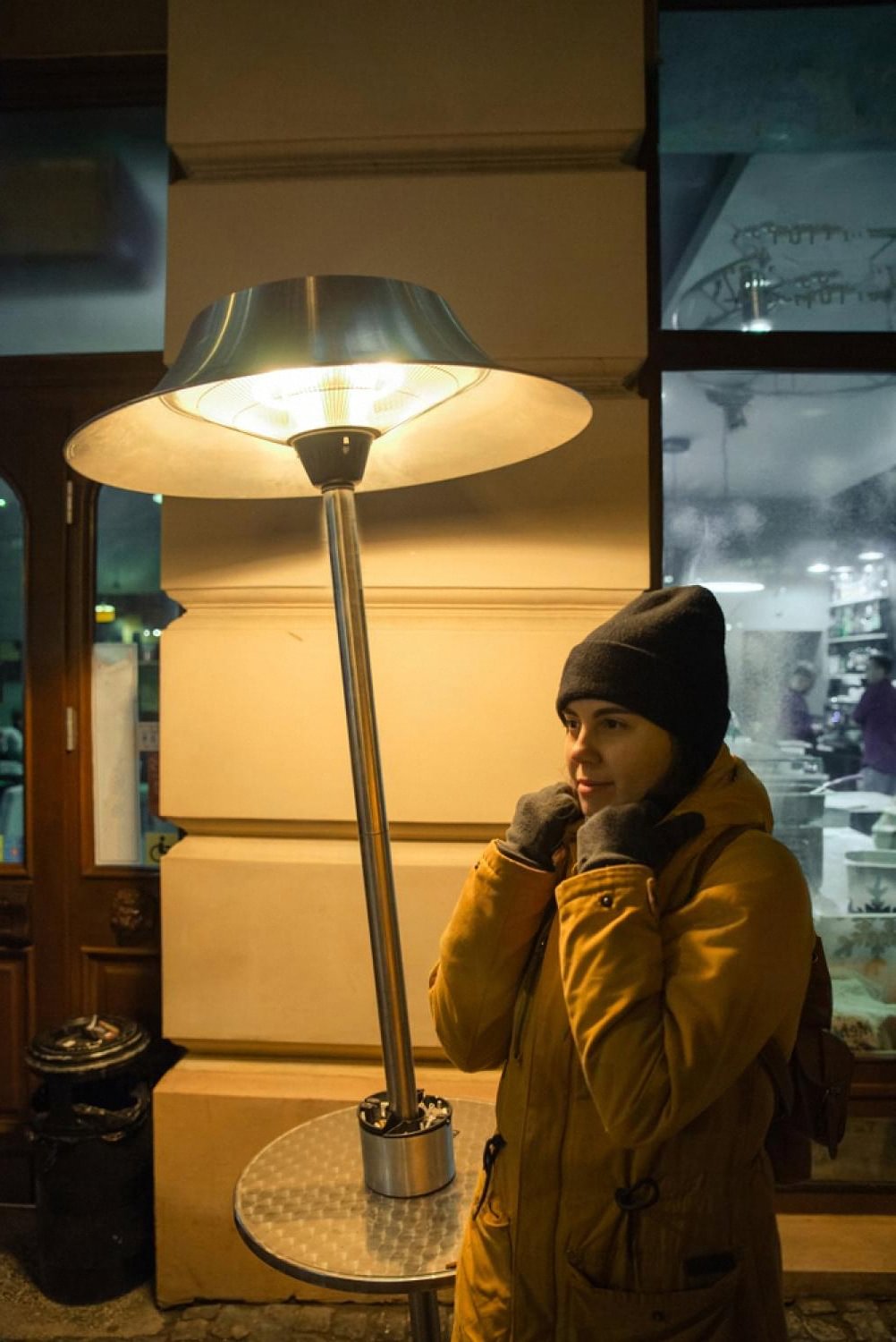
Seasonal Heating in the UAE
A practical warmth strategy for cool-season demand
Dubai is famous for its heat, but from late November through February, evening temperatures across the UAE can drop into the low teens Celsius and coastal humidity makes it feel colder. Restaurants, hotels, event venues, and construction sites all face the same seasonal question: how do you keep customers and staff comfortable for a few short months without buying equipment you will not touch again until next winter? Renting temporary electric heaters is the answer a growing number of UAE operators are reaching for.
Why now
The UAE cool season is short, but real
Between December and February, average nightly lows in Dubai sit around 14 to 19 degrees Celsius, and inland areas like Al Ain can drop further. That is not freezing weather, but it is well below the comfort band for anyone sitting outside for dinner, waiting on an event terrace, or working an overnight shift on a job site.
According to the UAE climate profile winter is the country’s peak tourism window. That means outdoor dining, rooftop bars, and open-air venues are at their busiest right when the temperature dips. Guests expect warmth on the terrace, not a jacket recommendation from the host.
When does temporary heating actually make sense?
Not every business needs a permanent heating system. A hotel in the mountains near Jebel Jais might, but a beachfront cafe in Jumeirah almost certainly does not. Temporary electric heaters fit the middle ground, where warmth is needed reliably for a defined period and then not at all.
- Restaurants and cafes with outdoor seating that switches on for the winter service
- Hotels running seasonal terraces, poolside events, or Ramadan tents
- Event organisers hosting weddings, corporate galas, or exhibitions in open venues
- Construction and industrial sites operating through cool early-morning shifts
- Retail pop-ups and outdoor markets that appear only during the tourist peak
What to expect from a rental unit
Modern temporary electric heaters are quiet, clean, and safe for indoor and covered outdoor use. Most freestanding units draw between 1.5 and 3 kilowatts, plug into a standard socket, and warm a radius of around three to four metres. Suppliers deliver, position, and collect the units at the end of the rental term, which is usually billed weekly or monthly.
If you need something more powerful for open-air terraces, outdoor gas heaters for patios are the usual pairing, but for enclosed lobbies, semi-covered dining areas, and back-of-house zones, electric is the cleaner and more predictable option.
How the rental process works, step by step
- Assess the space. Measure square metres, note ceiling height, and identify whether the area is indoor, semi-covered, or fully open. This determines the heater type and wattage you need.
- Estimate the season length. Most UAE businesses rent from mid-November to late February. Locking in early avoids the December shortage when demand spikes.
- Get a quote and delivery slot. Reputable suppliers price by unit, week, and delivery zone. Ask about weekend delivery if your venue only closes on Mondays.
- Install and test. The rental company positions units, checks power draw against your circuits, and briefs your staff on safe operation.
- Operate and monitor. Track any issues through the rental period. Good suppliers replace faulty units within 24 hours at no extra charge.
- Return at season end. The company collects the equipment. You pay nothing more, and nothing sits in your storeroom until next November.
Renting versus buying, at a glance
The economics of renting only make sense once you compare them side by side with ownership. For a business that needs heat for 10 to 14 weeks a year, the numbers usually favour renting by a wide margin.
| Consideration | Buying heaters | Renting heaters |
|---|---|---|
| Upfront cost | Full purchase price per unit, paid immediately | Weekly or monthly fee only during use |
| Maintenance and repairs | Owner is responsible, parts and labour billed separately | Included, faulty units swapped by the supplier |
| Storage in off-season | Requires clean, dry space for 8 to 9 months | None, equipment returns to the supplier |
| Model refresh | Locked into the model you bought | Access to newer, more efficient units each season |
| Capital allocation | Cash tied up in depreciating assets | Cash stays available for core operations |
The three financial wins in plain language
No upfront outlay
Buying enough heaters to cover a mid-sized restaurant terrace can run into tens of thousands of dirhams. Renting turns that capital expense into a predictable operating cost you can budget month by month.
No maintenance headache
Heating elements degrade, thermostats fail, cables fray. When you rent, the supplier absorbs those repair costs. Your staff never has to troubleshoot a broken unit at 7pm on a Friday.
No storage burden
Commercial storage space in Dubai is not cheap. A rack of unused heaters occupying a back room from March to November is dead square footage. Rentals disappear at the end of the season.
Rented equipment shifts risk to the supplier. Yours is a comfort problem, theirs is an equipment problem, and that is exactly how the split should work for a seasonal need.
Making the right choice for your venue
Temporary electric heaters are not glamorous, but they solve a very specific commercial problem cleanly. For UAE businesses that operate through the short cool season, renting gives you reliable warmth exactly when you need it, without the capital cost, the maintenance load, or the year-round storage overhead that come with ownership.
Before the season starts, walk your outdoor spaces, count the seats that go cold after sunset, and ask a supplier to quote a rental plan. It is a small operational change that keeps customers seated longer, staff more comfortable, and your capital where it belongs, in the business itself.
Frequently asked questions
How cold does it actually get in the UAE during winter?
From December to February, coastal cities like Dubai and Abu Dhabi typically see overnight lows between 14 and 19 degrees Celsius, with occasional dips lower. Inland areas such as Al Ain and higher-elevation spots like Jebel Jais can be several degrees cooler. Add coastal humidity or wind on an open terrace and the perceived temperature drops further, which is why outdoor commercial spaces genuinely benefit from supplementary heating.
Are electric heaters safe to use indoors and in covered spaces?
Yes. Electric heaters produce no combustion fumes, so they are safe for indoor lobbies, tents, semi-covered terraces, and back-of-house areas as long as they are positioned away from flammable materials and plugged into appropriately rated sockets. A reputable rental supplier will check your circuit capacity before installation and brief your team on safe placement.
How long can I rent temporary heaters for?
Rental periods are flexible. Most UAE suppliers offer weekly and monthly rates, and many businesses book a rolling three to four month contract covering the full cool season. Shorter rentals are common for one-off events, weddings, and exhibitions. Book early, ideally by October, because inventory tightens sharply once December arrives.
What happens if a rented heater breaks down?
The rental company is responsible for repairs and replacements. Good suppliers commit to a same-day or 24-hour swap for any faulty unit, at no additional cost, for the duration of your contract. This is one of the main reasons renting beats owning for seasonal use, you never carry the repair risk yourself.
Should I choose electric or gas heaters for my outdoor terrace?
Electric heaters are cleaner, quieter, and simpler for indoor or partially covered areas. Gas heaters, particularly mushroom-style patio units, put out more heat per unit and are usually the better choice for fully open-air terraces and larger dining zones. Many UAE venues use both, electric inside and around service stations, gas across open guest seating.
Is renting really cheaper than buying if I run my venue every winter?
For most operators, yes. Renting is cheaper across a typical 10 to 14 week season once you factor in maintenance, storage, and the fact that heaters depreciate whether you use them or not. Ownership only starts to make financial sense if you use heaters most of the year, which is unusual in the UAE. Ask a supplier to model both options against your actual usage before deciding.

Football fan, shiba-inu lover, DJ, hand letterer and identity designer. Operating at the fulcrum of modernism and elegance to craft experiences that go beyond design. Let’s chat.